
Why Spray Foam Isn’t the Best Solution for Facade Restoration: Part I
Our company focuses on facade restoration and here on our blog and website, we are constantly looking at examples from the field and talking about proper building practices related to facade upkeep and construction. One particular element though that we haven’t talked much about in the past is the prolific yet improper use of polyurethane spray foam to fill holes, omissions, voids, and spaces in exterior facades. Professional companies should never use spray foam as a weather barrier between the inside and exterior of a building, but we often see cheap flippers and homeowners using this type of material. Spray foam doesn’t work though as an alternative to proper exterior facade construction elements.
In the picture below, you can see where spray foam was used to fill around the loose frame of an exterior window. This spray foam has caused much more damage than just leaving the original gap or spacing wide open. As it expanded, the spray foam pushed the window out of shape and then created a sponge type material in the horizontal position which has allowed water to get sucked into the interior of the building.
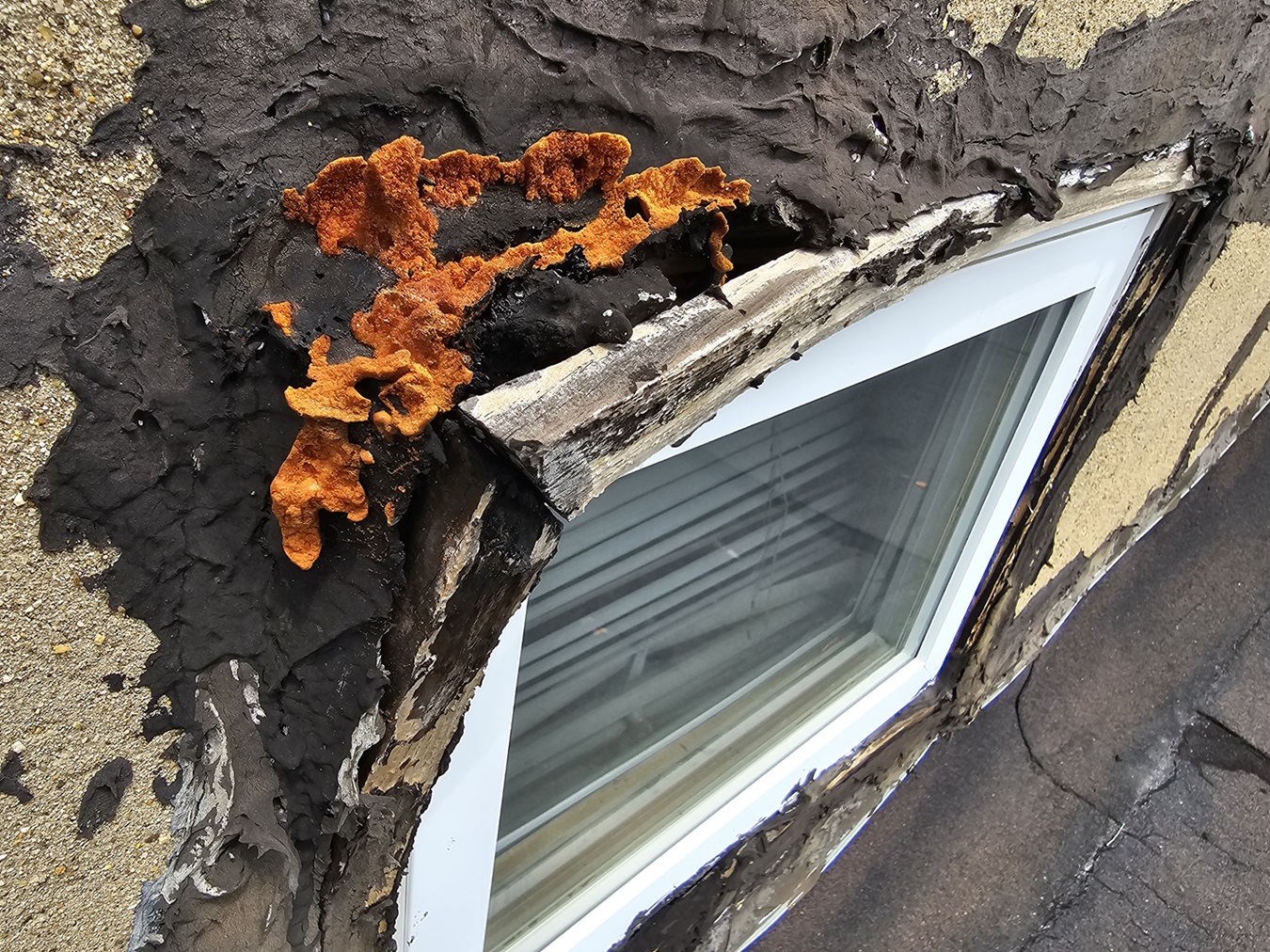
Spray foam insulation comes in different types of formulations, such as: low-expansion, medium-expansion, and high-expansion foams. The expanding action of these foams is related to the chemical reaction that occurs when the components mix and interact with moisture in the air. High-expansion foams can expand up to 30 times their original volume, while low-expansion foams might only double in size. This expanding property, while useful for filling gaps and creating a seal (which although a seal is not a dependable seal), can cause problems if not used correctly, especially around doors and windows.
When the high-expansion foam is used around doors and windows, it has a powerful expanding force that can exert considerable pressure on the surrounding elements. This pressure will distort the frame, pushing it out of alignment. As a result, doors may no longer close properly, and windows might become difficult to open or close. The distortion can be subtle at first, but over time, it can lead to noticeable gaps between the frame and the wall or between the door/window and its frame. These gaps defeat the purpose of using the foam for insulation and air sealing, as they allow air and moisture to penetrate and can even draw the water inwards.
In the image below, you can see where someone in the past applied a polyurethane spray foam to fill the void of an abandoned dryer exhaust duct at the exterior termination, at the building facade.
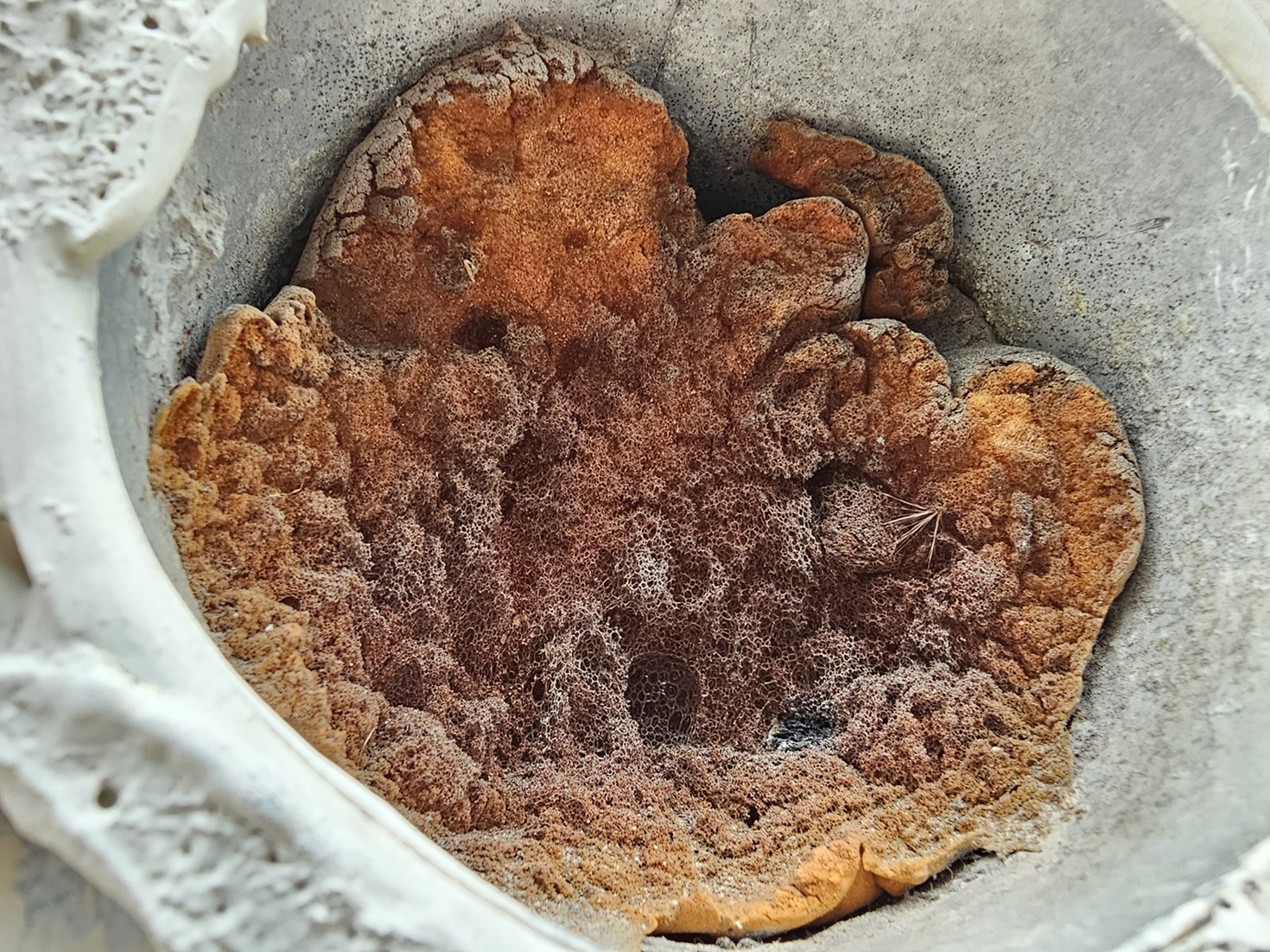
Over time, as the spray foam has been exposed to the exterior elements and ultraviolet rays in sunlight, the phone has deteriorated. Now the cellular structure of the foam and the deteriorating exterior of the foam resembles both the visual aesthetic and the physical characteristics of a sponge.
You can see my fingertips in the picture below. I touched the foam to see if it was still durable and the exterior just crumbled like dust, just by simply touching it.
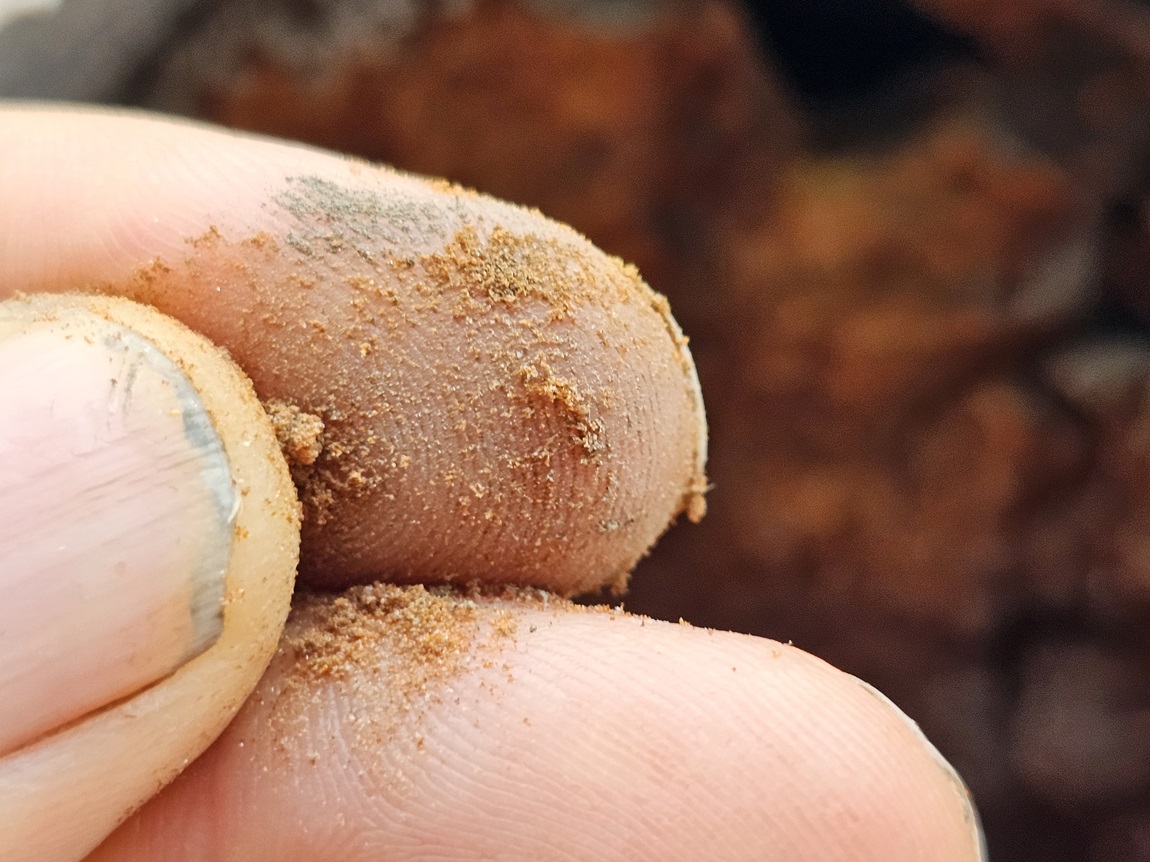
The pressure from expanding foam can even cause more significant issues. It can bow or warp door and window frames, leading to misalignment that’s not easily correctable. In extreme cases, it can even crack or damage surrounding drywall or exterior siding. Once these gaps and damages occur, they create entry points for water and exterior elements. Water infiltration can lead to rot in wooden frames, mold growth, and deterioration of surrounding materials, potentially causing extensive and costly damage to the entire door or window assembly. Once rot starts, the area is surrounding the points of water entry also become points of higher absorption. Essentially, this type of damage and deterioration creates a vicious cycle, we often refer to this type of vicious cycle as non-linear forms of damage because the damage increases at an increasing rate. It becomes multiplicative or exponential.
To avoid these issues, it’s important to use the appropriate type of insulation for each application. For doors and windows, low-expansion foam is actually ok. Even then, it should be applied carefully, in moderation, allowing for the foam’s expansion without overfilling. The big takeaway though is that spray foam should not be used to seal elements of the exterior facade.
Professional installers, when using the foam to fill interior cavities, often apply the foam in stages, allowing each layer to expand and cure before adding more. This staged approach allows the foam provides effective insulation and air sealing without exerting excessive pressure on the surrounding structures.
We can Help
Our company focuses on historic restoration more than modern building upkeep, maintenance, and construction, but our company understands both types of construction very well and a full picture well-rounded approach is needed in any niche in the construction industry. Although we focus on historic restoration, repointing, tuckpointing and historic brick repair, our company also has technical knowledge and competencies in the areas of modern and contemporary construction as well as we become one of the leaders in that area of the market today. Understanding both historic and modern or contemporary construction is useful because both aspects help understand the challenges and potential solutions for challenges in building science and construction.
We can help with a variety of historic masonry restoration needs and upkeep, from modest tuckpointing and or repointing to complicated and extensive historic masonry restoration. Infinity Design Solutions is a historic restoration specialist contractor specializing in both historic masonry restoration such as tuckpointing our repointing, and brick repair. If you have questions about the architectural details or facade of your historic building in Washington DC, reach out and say hello and if we can help we’ll be glad to assist you. You can email us or call us on the telephone at the following link: contact us here.