
Extruded vs. Struck Mortar Joints in Historic Masonry – Part I
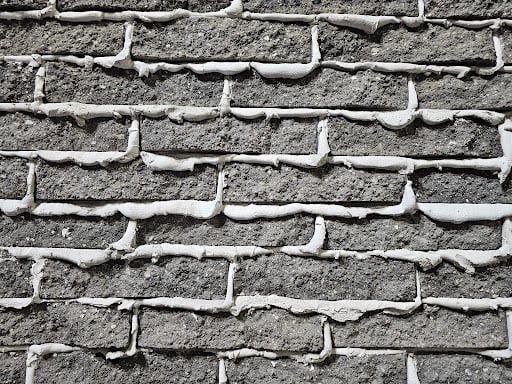
At first glance, the extruded style mortar might look interesting. A couple of different adjectives might be used to describe it. Old, antique, sloppy, rustic, all may come to mind. This type of mortar joint is referred to as an extruded mortar joint and sometimes also known as a weeping mortar joint. In most types of masonry here in Washington DC we are used to seeing a mortar joint which has been struck.
The act of striking a mortar joint and creating a struck mortar joint leaves the mortar consistent across the face of the joint and across the face of the building facade. You may also notice that these mortar joints are very different than the mortar joints you would typically find in historic bricks. This type of effect is done to create a visual aesthetic that looks old and historic, but it actually isn’t old.
This construction and installation of these bricks and mortar is relatively new. It was only built a few years back. They were going for a design that looked old and historic. This is not at all in keeping with historic masonry of Washington DC though. Instead it looks more like something you might think you would find in the old world from centuries ago. That isn’t really true though.
Even centuries ago, there was never really a time period or an architectural phase where people built like this. Instead, it was a faux type of technique that became popular in a few different places and periods in more recent history.
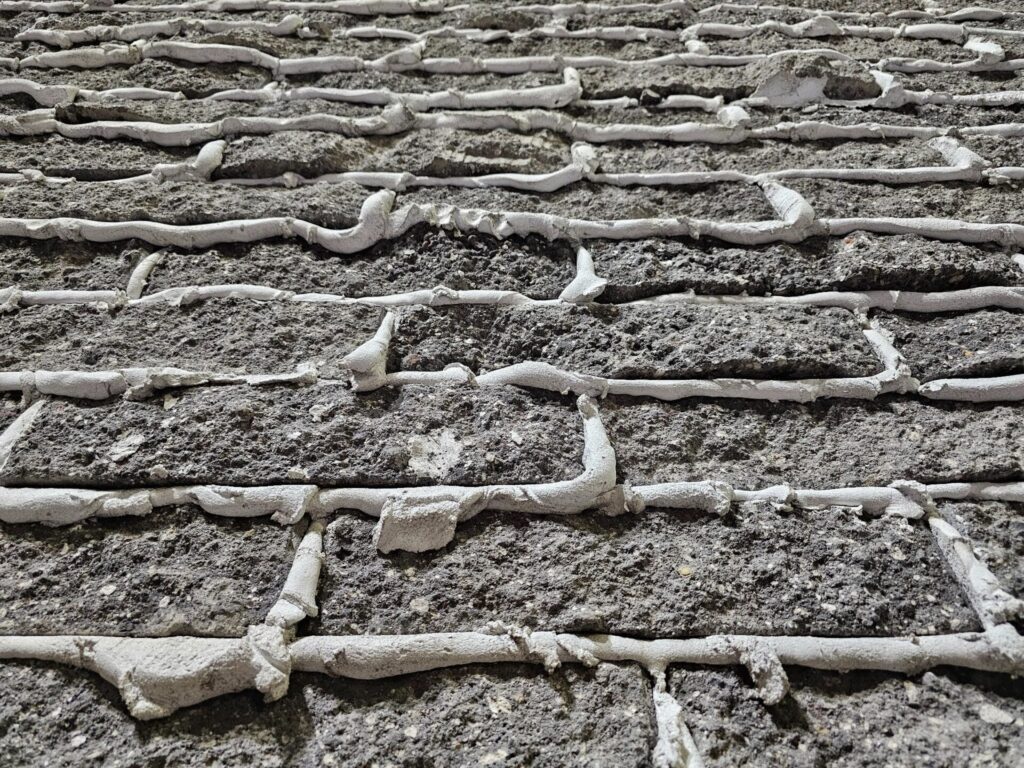
The picture below shows a view looking upwards across the face of the wall from a low angle. Here you can see the rough texture created both by the split-faced like block or brick and the extruded weeping mortar joints. Here in Washington DC,. historic 19th-century masonry buildings focused on particular architectural traditions like the Federal, Queen Anne, and classical Beaux-Arts styles.
These particular styles utilize visual precision, straight lines, and crisp and thin mortar joints (where pressed brick and butter joints of mortar were specifically used at street facing facades). Back in that particular era of masonry construction, here in Washington DC, they would have viewed the oozing mortar joints as a sign of low quality.
Going back in time, they wouldn’t even have probably recognized it as an attempt to make something look older or antiquated, they would have just thought it looked sloppy. Back then, masonry was done real, by real people with real skills. Today, our company provides a similar type of work but we are rare because it’s not something people are often trained to specifically focus on today. For historic masonry construction, even when we are building new elements, we use techniques that are highly honed by our particular company.
It’s just rare in the marketplace today. Instead, often the biggest mistakes done by other contractors emanate from their use of labor from outside of the historic areas of the city. There, instead of being trained in historic repointing and restoration, they are often trained in tract home construction.
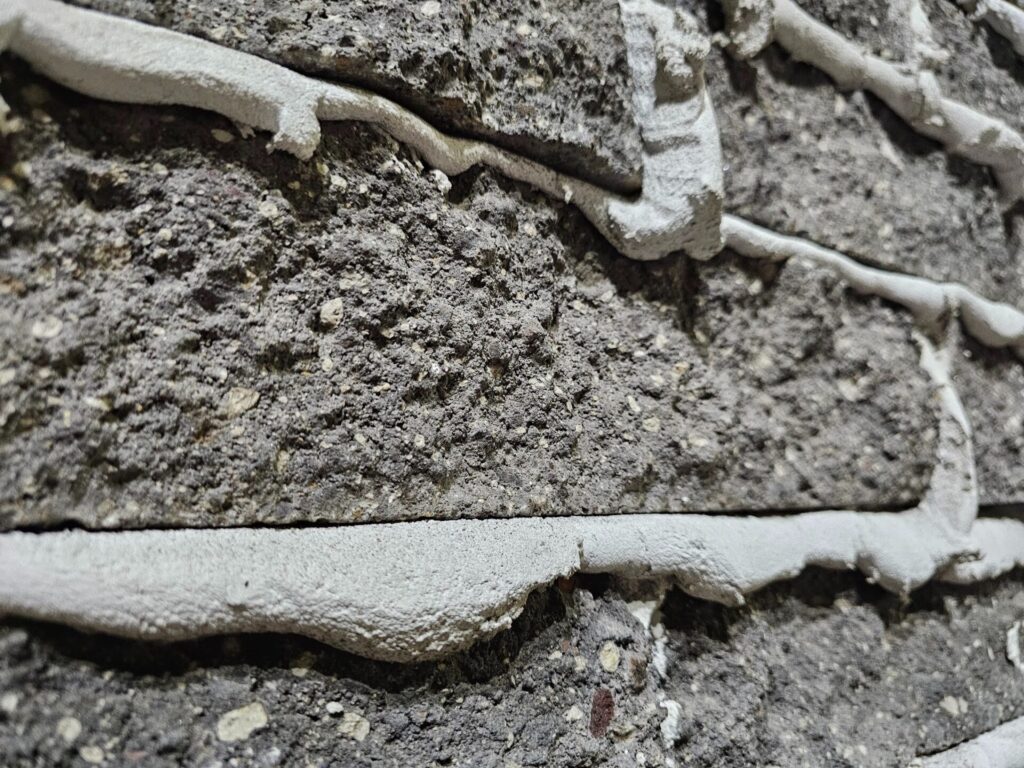
In this coming week, we’ll also talk about some of the differences between the mortar used here. Even without recognizing and identifying the differences between the architectural styles. Someone who really understands masonry and mortar can just look closely at the mortar itself and know it’s modern.
To properly maintain, repair, and care for these historic buildings, a knowledge, interest and understanding of historic building principles is required. Here in Washington DC, historic masonry buildings are extremely expensive and the amount of financial loss caused by improper repointing and low quality construction is staggering. However, in addition to the direct financial value of the property, there is also a cultural loss when historic buildings are damaged. By comparison, consider neighboring poor cities, when historic buildings are damaged, it’s not just the loss of value to the property owner, there’s also a loss to all inhabitants and visitors of a city, present and future, who care about architecture, history, and culture.
We encourage all of our clients, and all readers of this article and to our blog in general, to prioritize the historic built environment of Washington DC and neighborhoods such as Capitol Hill, Dupont Circle, and Georgetown and become educated on on the difference between proper historic preservation versus improper work which leads to significant damage to the historic fabric of a building.
From a conservation and preservation perspective, several approaches can be taken to improve conditions related to deteriorated historic brick masonry. Primarily, lime mortar brick joints and low temperature fired soft red clay bricks should be inspected and checked on a routine maintenance schedule, either seasonally or at least annually.
If brick masonry is kept in good condition, the life of embedded wood elements can be significantly extended. Hire a professional contractor which specializes, understands and appreciates historic construction elements and buildings.