
Masonry Cavettos Explained: Purpose and Performance
Architectural moldings are interesting for a handful of different reasons. Obviously, they have an aesthetic purpose, but they also have some practical value as well. They do a few things from a functional perspective. In an exterior installation, they extend a surface, projected away from the facade. This protects a lot of the facade from rainwater that drips and then otherwise runs down the face of the brick. We will go into a bit more detail to explain how this works. The second thing that architectural moldings do is create transitions and cover joints that are not intended to be exposed.
The origin of the word molding is also interesting. Here, in the United States, people spell it in a few different ways. Some people spell it “mouldings”. Once in a while you’ll see it written like that. That’s not the American spelling, though. The American spelling is just molding. Also, some people in Britain and Australia refer to moldings as covings. Personally, I believe that particular word is not an acceptable replacement for the word moldings. I consider it inaccurate. A cove is a type or a classification of a subset of profiles, but it wouldn’t be accurate to call the whole range of available profiles covings.
Specifically, a cove is something that’s curved inwards. They kind of use the word interchangeably with the word cornice which is also misleaning. To us, a cornice is generally the exterior trim below in extension of a roof beyond a facade. It’s generally highly decorative and was an area of specific architectural interest in historic times. To them, they refer to the crown molding this cornice. So these words are all twisted around, in the way that they use them. Personally, I think our way is correct and theirs is wrong!
The picture below shows three of the principal architectural forms in profiles and moldings. All three of these shapes are repeated and common throughout a wide range of historic architecture.
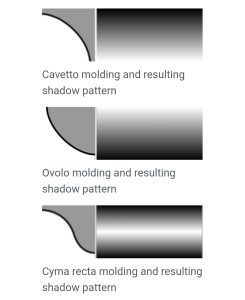
In the times of classical architecture, the term cyma kind of describes the shape shown below. Parts of the curves are elongated and accentuated and other parts are reduced. This type of architectural detail is common at areas throughout the mid span, vertically, at facades of buildings.
The terms cyma and ogee will often be used interchangeably. Mostly, here in the United States people refer to it as an ogee shape. As we discussed above, many architectural names are different and were used differently depending on the region. Also, to a degree, the names or lingo might change depending on the specific trade area. For example, here in the United States, carpentry is a massive field. The new world, at the time that settlers arrived was full of incredible old growth hardwoods that ranged up and down the Eastern Seaboard of the United States. Much of that old group lumber now has been destroyed or consumed. Nonetheless, the trades developed with that supply underneath them.
Stick framing is still the most common way to build a single family home in the United States.Even though here in Washington DC buildings were built with masonry way more than they are stick framing, the larger area of the industry is saturated in a history of carpentry. In this particular case, the term ogee is definitely used more here in the USA and here in the carpentry trades. As a company and trade discipline though, we focus on historic masonry. So for us, either term may work equally.
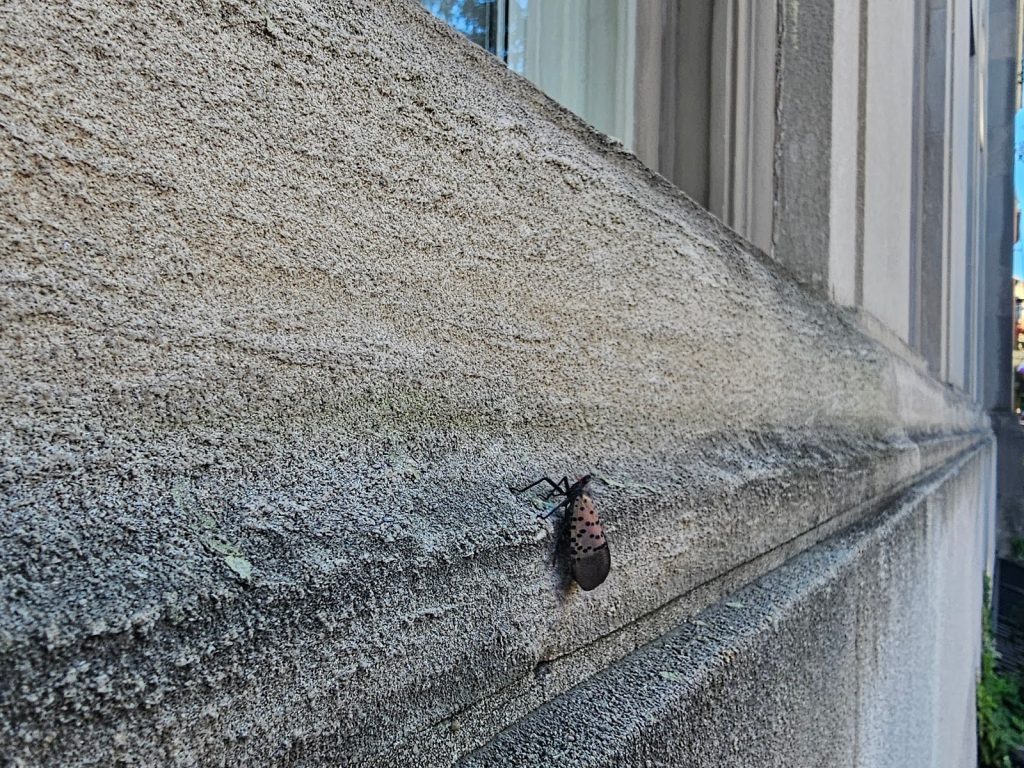
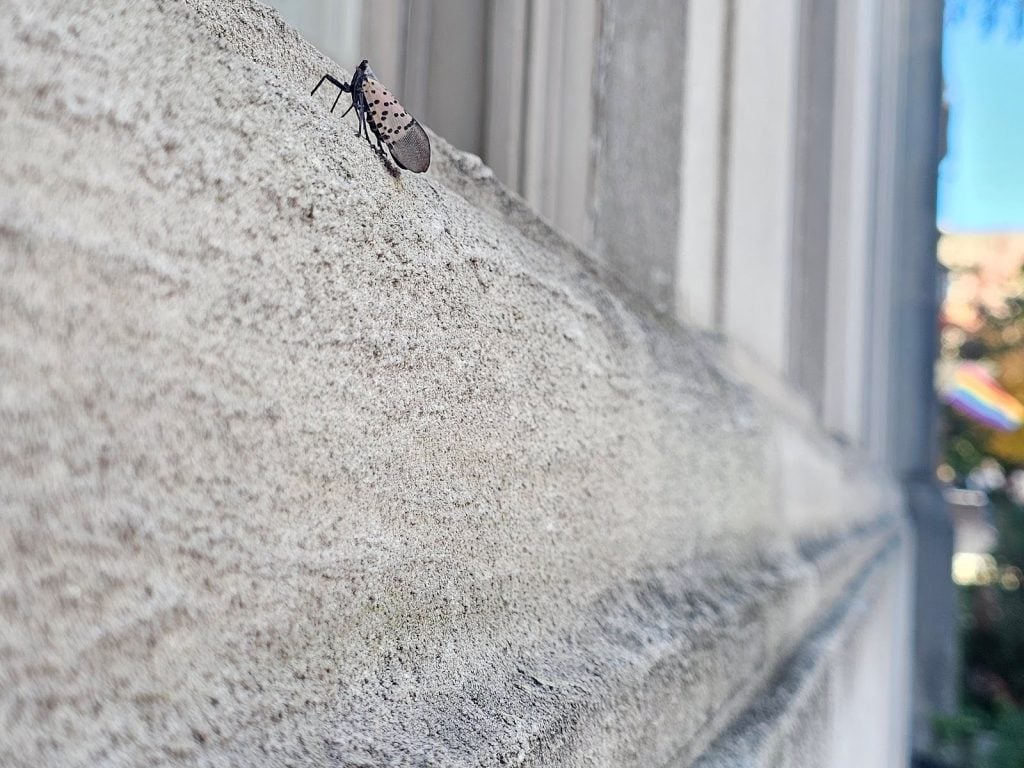
You may notice the spotted lanternfly walking all around here as we took pictures. They were everywhere this past summer, when we looked at this. Ovalos are like the opposite of a cove. Instead of being recessed inwards at a curve, the ovalo is projected outwards at a curve. The ogee, by comparison, is like a combination of both the cavetto and the ovalo.
We can Help
Our company focuses on historic restoration more than modern building upkeep, maintenance, and construction, but our company understands both types of construction very well and a full picture well-rounded approach is needed in any niche in the construction industry. Although we focus on historic restoration, repointing, tuckpointing and historic brick repair, our company also has technical knowledge and competencies in the areas of modern and contemporary construction as well as we become one of the leaders in that area of the market today. Understanding both historic and modern or contemporary construction is useful because both aspects help understand the challenges and potential solutions for challenges in building science and construction.
We can help with a variety of historic masonry restoration needs and upkeep, from modest tuckpointing and or repointing to complicated and extensive historic masonry restoration. Infinity Design Solutions is a historic restoration specialist contractor specializing in both historic masonry restoration such as tuckpointing our repointing, and brick repair. If you have questions about the architectural details or facade of your historic building in Washington DC, reach out and say hello and if we can help we’ll be glad to assist you. You can email us or call us on the telephone at the following link: contact us here.