
Plant Bags in Brick Recess – Part II
This past week, we started looking at a series of photographs of a type of fabric used for vertical planting in a green wall type of setup. We talked about some of the damage that can occur in a historic masonry facade when a fabric and planter type setup like this is in direct contact with the brickwork. The problem with that type of elevated moisture is that it just doesn’t make contact at certain times or have accelerated moisture once in awhile.
Even when it isn’t being watered, it will have residual moisture that’s trapped or retained inside of the fabric and the associated types of soils of the plants. That elevated moisture will permeate into the brickwork and the mortar joints.
It can be argued that it’s more problematic for the moisture to be in the brickwork than the mortar joints. We would agree with that statement, to a point the real problem is bigger than both of these issues or areas. Both the brick and the mortar are susceptible.
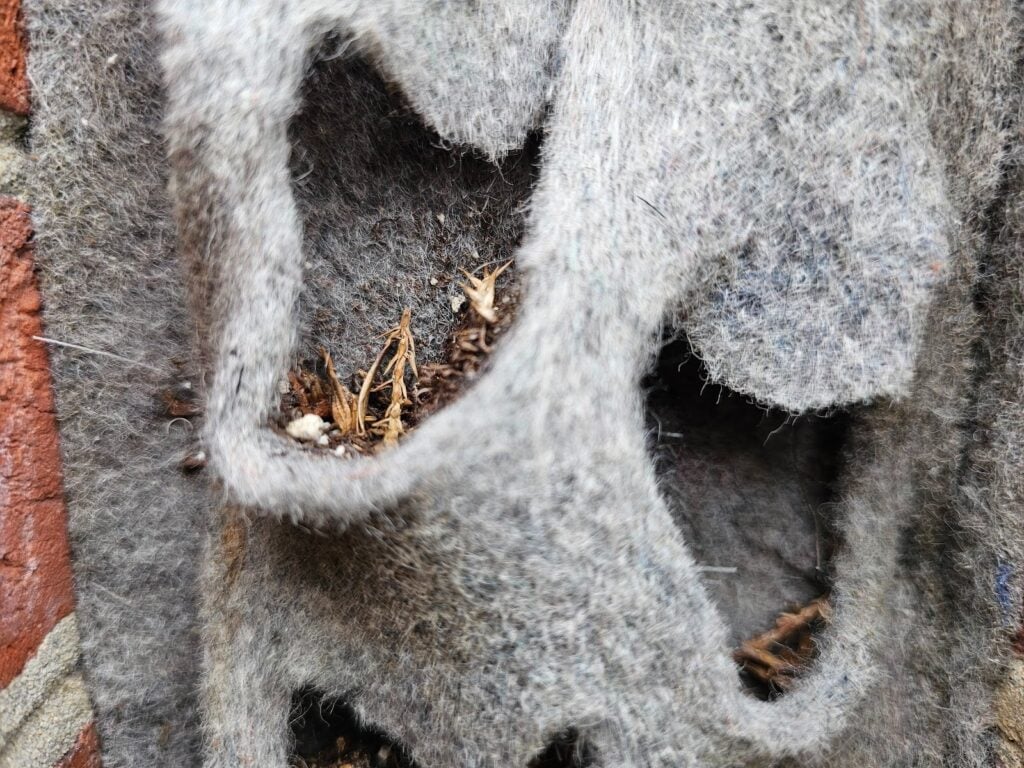
The mortar is sacrificial, in a way. Even back over 100 years ago when these buildings were just being built, the masons of the time understood that the mortar would need to be repointed at some time in the future. In some cases, we see many facades with the original mortar still in place. It should have already been repointed, because it’s deteriorated to a large extent, at this point. But in some cases some of these walls are now just about to undergo their first round of repointing.
The point though, is that mortar is intended to be repointed because from a cost perspective it’s much simpler and cheaper to repoint mortar then to replace broken bricks. If the bricks were to deteriorate as fast as the mortar it would simply be a very expensive as a maintenance and upkeep requirement.
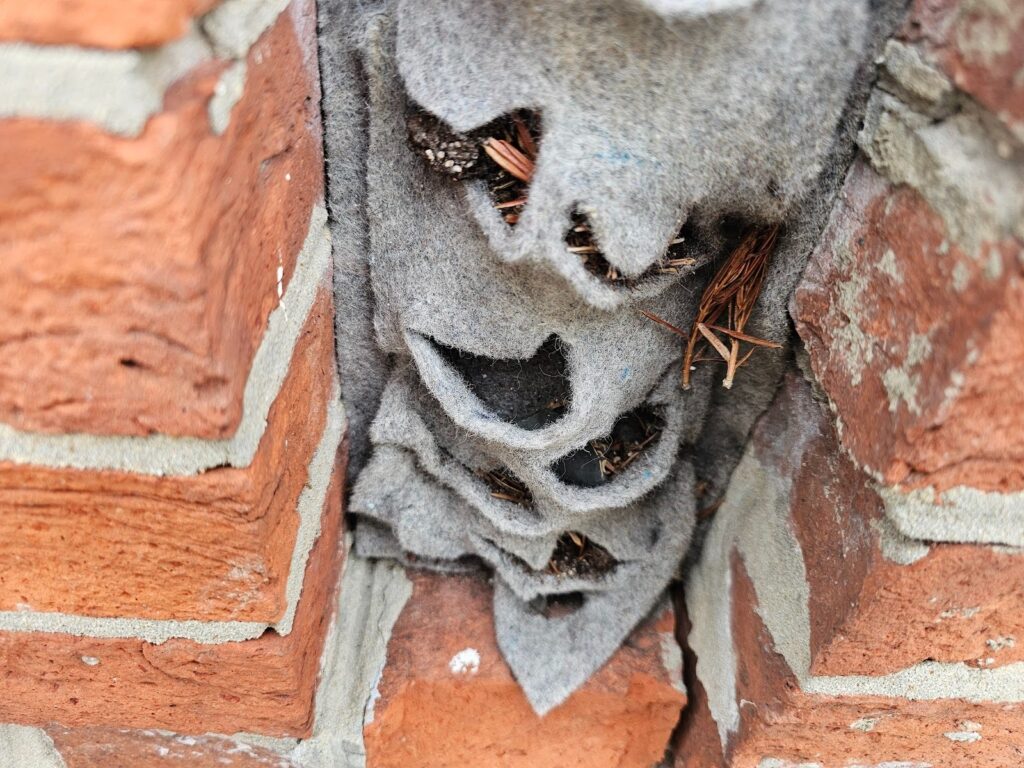
The problem with having a surface that’s consistently wet or moist against the brick is that it will damage both the mortar and the brick. Brick and mortar or made to resist moisture, to an extent. The important point to understand here is that even though they have some degree of impermeability and some degree of moisture resistance, they’re not actually, nor ever intended to be, waterproof.
A brick wall will keep out most types of inclement weather but that doesn’t mean that the inclement weather such as rainfall won’t enter into the surface of the brick and then cause damage to the brick. When that happens, when a brick becomes deteriorated from excessive exposure to moisture, it’s an expensive repair. You could consider it to be detrimental to the life cycle of the building.
In the picture below you can see the expanse of the vertical run of this niche.
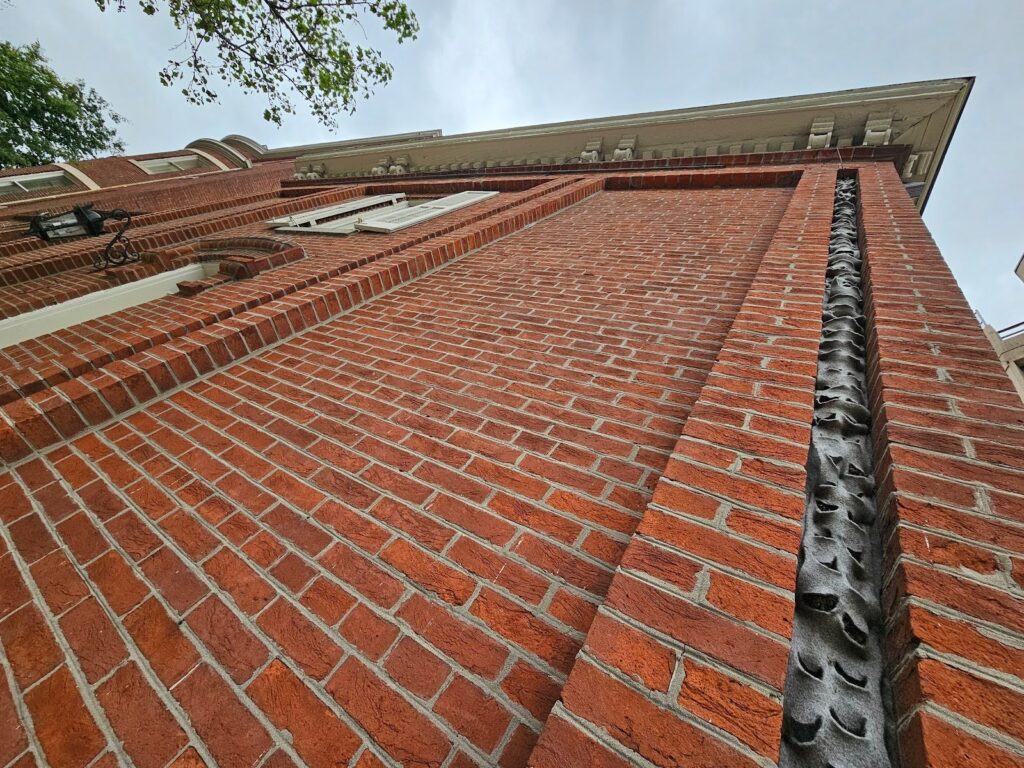
You can see the brick facade building is relatively basic, it works though, and it has some of the historic elements that make these older facades much better than modern ones. The relief lines, especially when interspersed with green wall type elements are much better looking then cheap modern facades. The difference between them is significant, from a simply visual perspective.
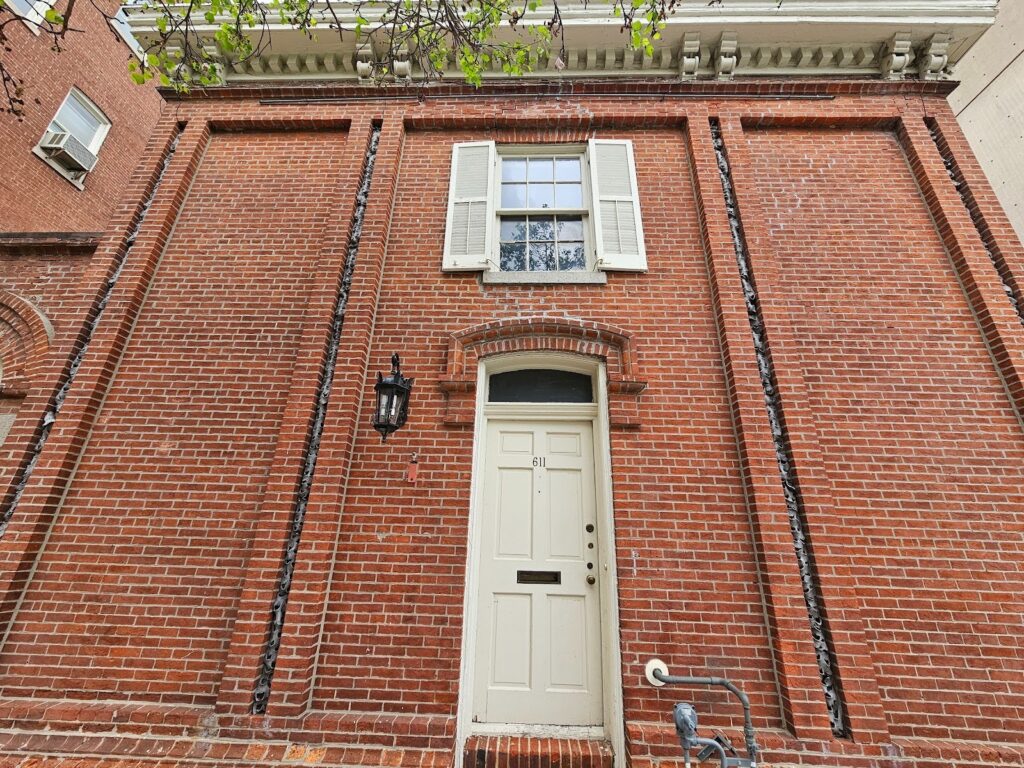
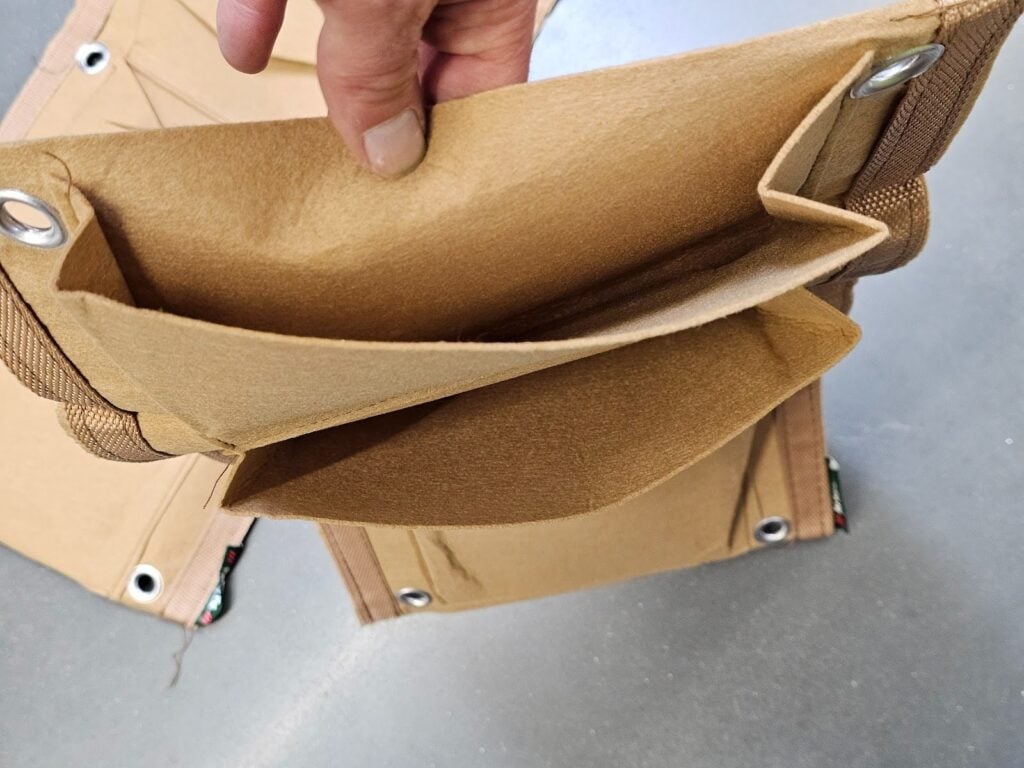
The picture of below shows a planter bag very similar to the ones shown in the pictures above. The one in the picture below is different though because there’s an open top instead of just having slots for the plants can grow through.
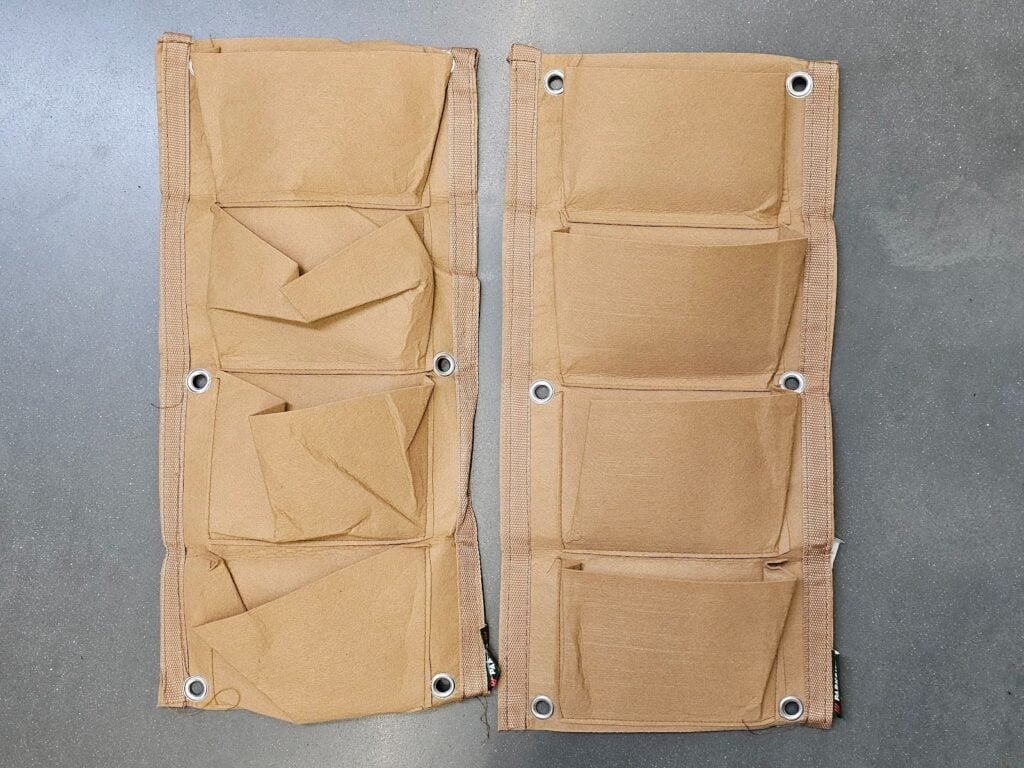
These bags allow the plant to absorb moisture, through the system, yet still have sufficient permeability to allow moisture to flow through from the plant and the associated soil and wick away as needed for the plant to be able to breathe.
We can Help
Our company focuses on historic restoration more than modern building upkeep, maintenance, and construction, but our company understands both types of construction very well and a full picture well-rounded approach is needed in any niche in the construction industry.
Although we focus on historic restoration, repointing, tuckpointing and historic brick repair, our company also has technical knowledge and competencies in the areas of modern and contemporary construction as well as we become one of the leaders in that area of the market today.
Understanding both historic and modern or contemporary construction is useful because both aspects help understand the challenges and potential solutions for challenges in building science and construction.
We can help with a variety of historic masonry restoration needs and upkeep, from modest tuckpointing and or repointing to complicated and extensive historic masonry restoration. Infinity Design Solutions is a historic restoration specialist contractor specializing in both historic masonry restoration such as tuckpointing our repointing, and brick repair.
If you have questions about the architectural details or facade of your historic building in Washington DC, reach out and say hello and if we can help we’ll be glad to assist you. You can email us or call us on the telephone at the following link: contact us here.