
Repointed Historic Brick After Restoration in Washington DC
This past week we looked at an area of freshly repointed historic brick. The brick is old and mortar has a specific type of compatibility with that old brickwork but the mortar has been replaced at the outer surface. That replacement is called pointing or repointing. Some people also mistakenly refer to it as tuck pointing and that’s common in the local industry and similar. One of the big differences between the pictures, here, below and the ones that we looked at this past week is that the ones here have been cleaned, after the repoint process.
The ones we looked at last week are similar except we took the pictures in the middle of the repointing process instead of at the end of the process. Once a repointing process like this has been completed, the newly repointed old historic brick basically has a new lease on life. It can essentially last for decades more without serious restoration until the time comes again where it must be repointed.
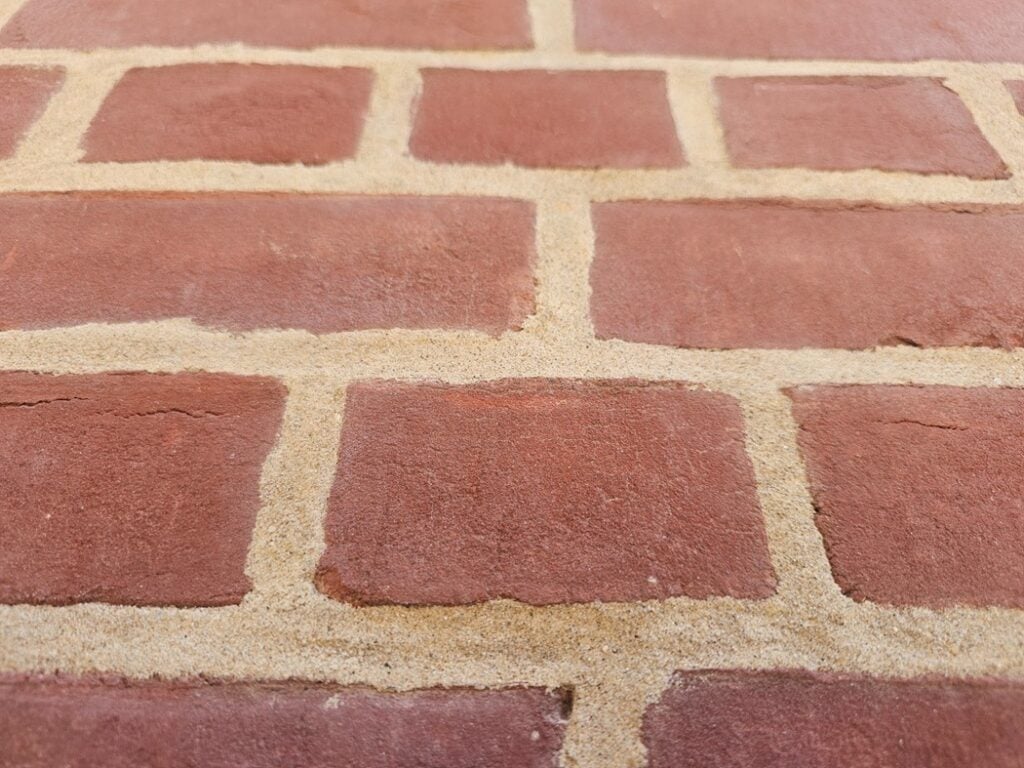
Masonry, in general, needs to be reported, not just brickwork, but really almost all types of masonry. Even modern mortars, although much harder and with much less permeability, will still need to be repointed. It’s important to understand what we’re saying here and not confuse the details. If someone were to read what we’re saying and take it out of context, they might erroneously think that it’s better to use modern mortar than a historic mortar. That isn’t accurate.
One type of mortar isn’t necessarily better than the other in any way, but compatibility is very important. If the original materials, whether historic or modern, have higher permeability than the mortar must also have higher permeability. The same type of correlation applies to the use of mortars with differing compressive strength resistances and modulus of elasticity and many other characteristics.
Understanding those details and the compatibility with the existing masonry is what’s most important. If you were to use a harder mortar with historic brick, for repointing, the results can be devastating because it can literally destroy the building.
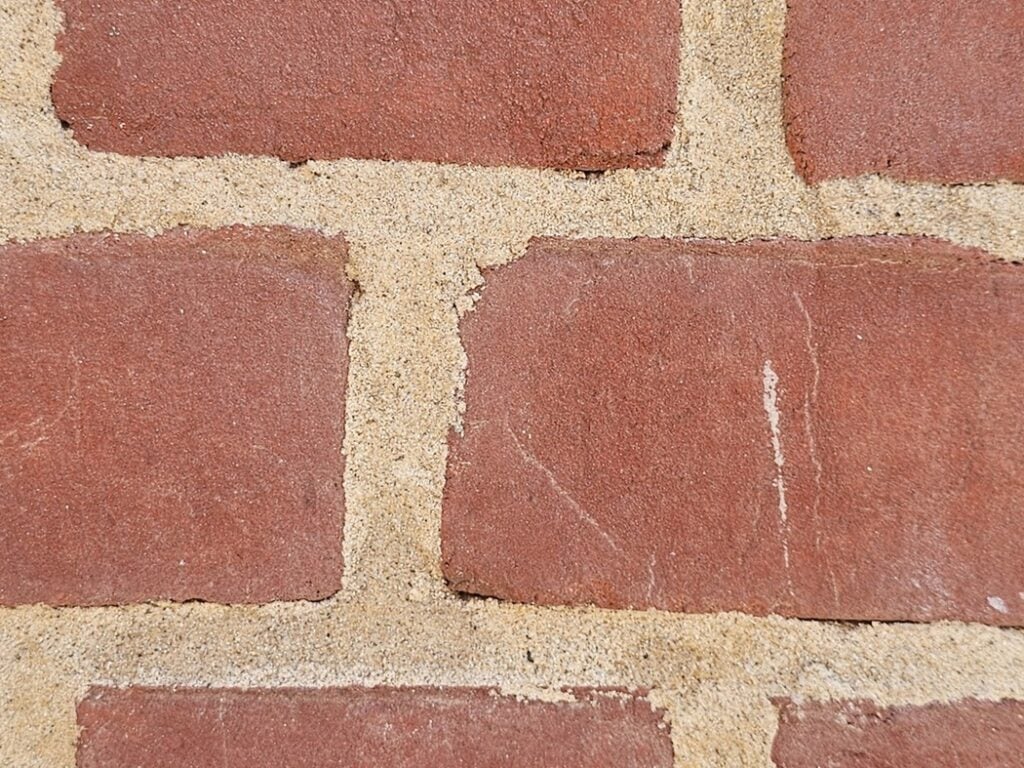
Although the repointed brickwork, in this English Bond, may look slightly less consistent than you would find in contemporary or modern brickwork, it’s been applied properly. When applied properly like this, the mortar that has been used in the repointing process can last for decades and extend longevity of the building significantly. Here, in this particular building, you can see that the brickwork not only now has a new lease on life and has been refurbished and restored but the brickwork has also been overhauled and repointed.
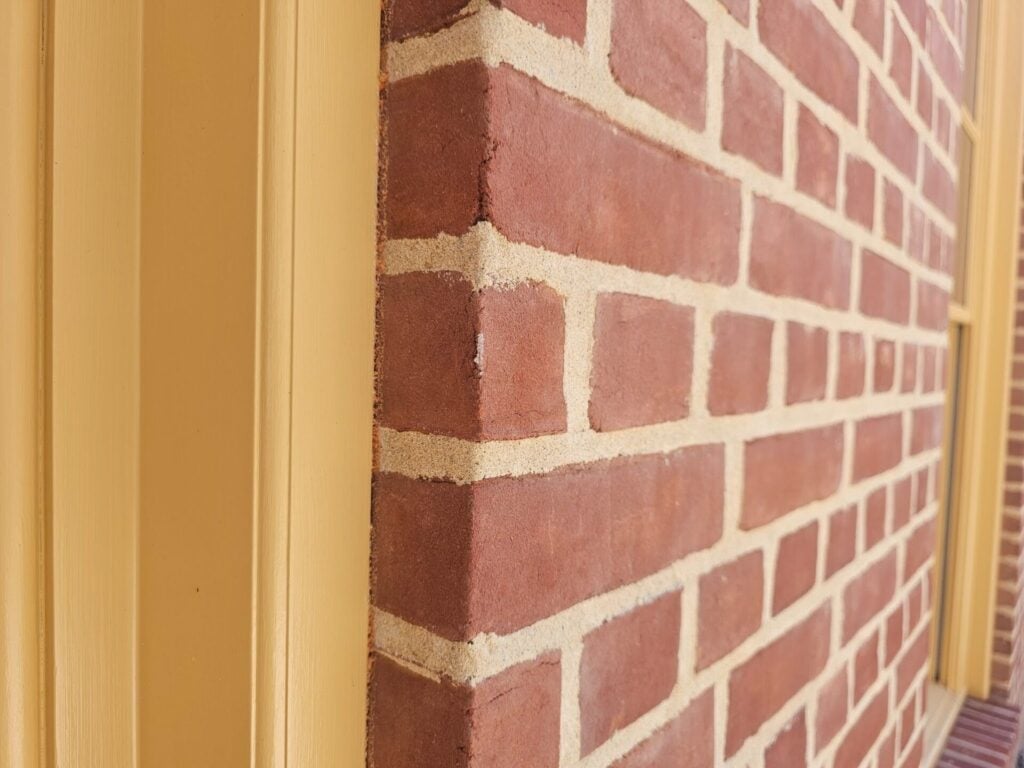
Natural woodwork and trim like this at the exterior masonry facades were completely common in historic times.
In modern times, natural wood is more susceptible to moisture and exterior exposure. In fact it’s relatively rare to use wood on the exterior except for temporary type construction. Instead there are a multitude of different materials that have a higher resistance to moisture and exterior exposure.
Some of the main types of those materials with higher resistance are
- Synthetic materials, such as: PVC trim. Materials of this class are generally made from vinyl and very similar to what we simply think of as plastic but used in the creation of things that look like regular building materials.
- Composite wood is a different but an alternative type of artificial synthetic materials. Composite wood usually includes a partial amount of actual wood. The actual wood fibers will generally add a degree of tensile type resistance that the synthetic materials themselves do not have.
- Aluminum, which is often used in window frames, is generally able to be a really thick extruded material. Although it’s comparatively thinner than solid or plate materials, extruded materials are much thicker than sheet metal. Aluminum sheet metal, by comparison, is much thinner but also used to wrap some types of historic windows. Commonly aluminum sheet metal will be used to wrap wood windows where the wood windows are dilapidated or covered with lead paint and cannot be easily refurbished because of the danger and risk of exposure to lead paint.
We can Help
Our company focuses on historic restoration more than modern building upkeep, maintenance, and construction, but our company understands both types of construction very well and a full picture well-rounded approach is needed in any niche in the construction industry. Although we focus on historic restoration, repointing, tuckpointing and historic brick repair, our company also has technical knowledge and competencies in the areas of modern and contemporary construction as well as we become one of the leaders in that area of the market today.
Understanding both historic and modern or contemporary construction is useful because both aspects help understand the challenges and potential solutions for challenges in building science and construction.
We can help with a variety of historic masonry restoration needs and upkeep, from modest tuckpointing and or repointing to complicated and extensive historic masonry restoration. Infinity Design Solutions is a historic restoration specialist contractor specializing in both historic masonry restoration such as tuckpointing our repointing, and brick repair.
If you have questions about the architectural details or facade of your historic building in Washington DC, reach out and say hello and if we can help we’ll be glad to assist you. You can email us or call us at the following link: contact us here.