
Built with one of just a few different types of structural configurations. This is a really interesting counterpoint to the typical traditional historic construction here in Washington DC. If you step back and take a look at it, it’s like there’s a web of concrete and the bricks have been used to fill in between. That’s partially correct, but not actually indicative of the sequence of construction. The structural framework is relying on this concrete web to provide the majority of the flexural rigidity. The brick on his own though happens to provide a significant amount of compressive resistance. This is a type of confined masonry.
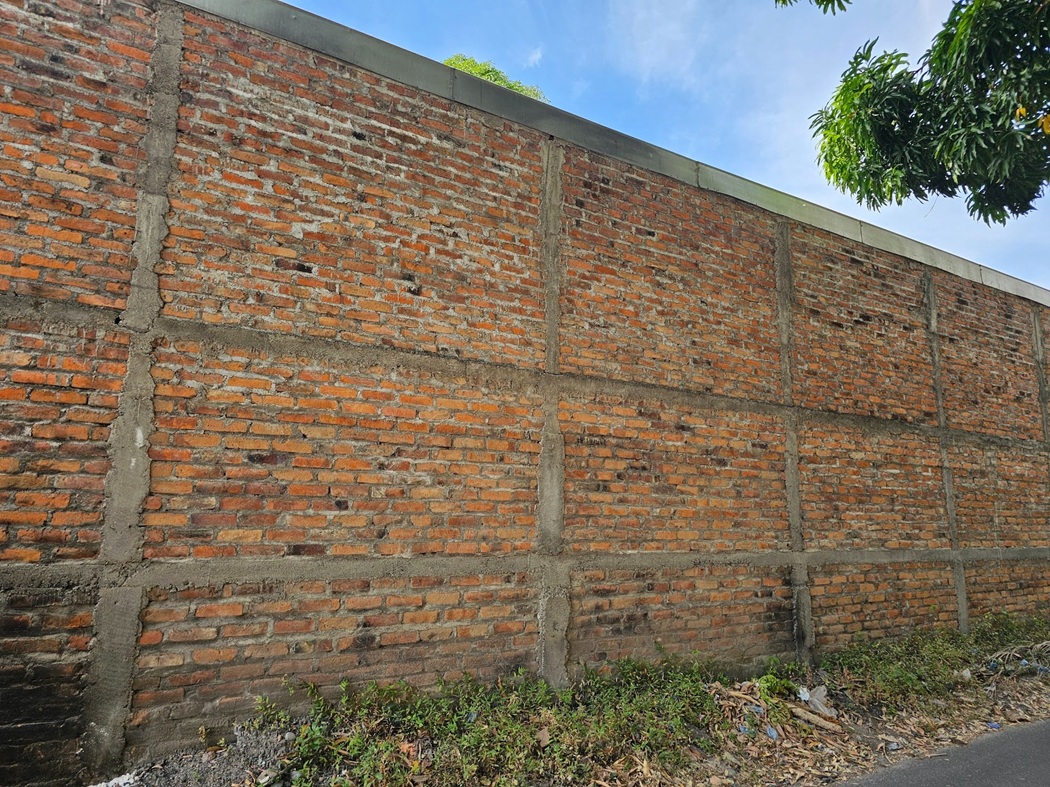
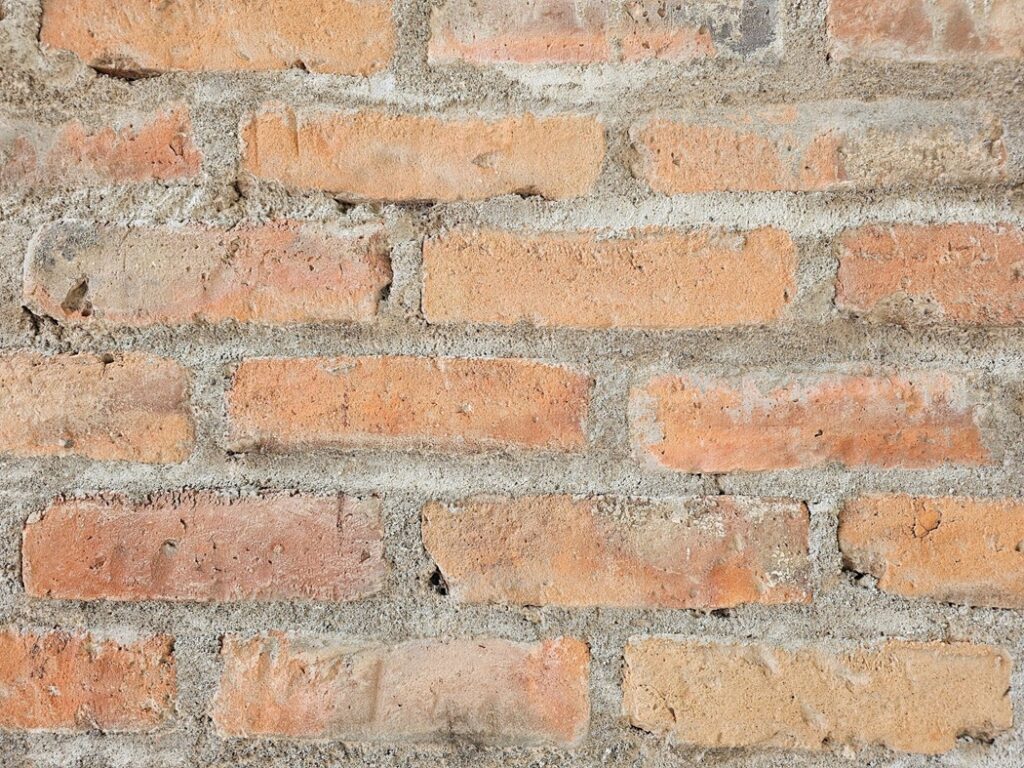
There are a handful of different details that are critical to really understand how this type of masonry wall and structure are put together. It’s similar to the traditional masonry of Washington DC, in some ways. These walls, like those historic walls, need to be restored and refurbished at periods within its lifespan. These masonry bricks are made from low-temperature firing. They are sized differently though and are not built in double and triple whythe configurations, the way that historic masonry is built in Washington DC.
Historic masonry in Washington DC, when repointed, is only repointing at the outer edges. The fresh mortar provided by the repointing does not reach the area between the individual wythes of the brick. Here, since there is only one wythe of thickness, repointing would not leave an interstitial joint between the inner and outer edges of the brick facades untouched.
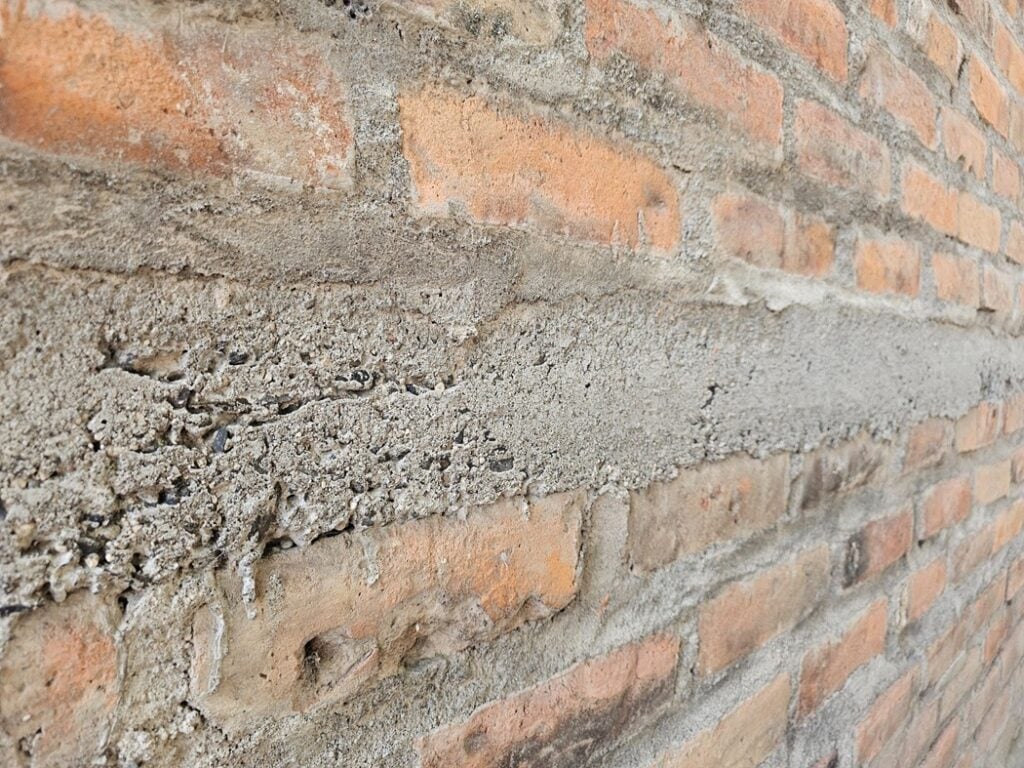
We talked about the differences between the structural forces and elements of concrete versus brick masonry. Both have significant compressive strength.
There are significant differences though:
- Continuity
- Tensile strength
- Refurbishment
The concrete has a much higher tensile strength. For one, the concrete is continuous. It’s not broken into individual elements like the brick itself. Brick, obviously, is made up of small individual units, when assembled together in a wall, for example. The concrete, on the other hand, is cast at once and is continuous in much larger sections. It has a greater degree of continuity and therefore is much different from a structural perspective.
The concrete also has reinforcement bars, made from steel, embedded within it. Essentially, before the concrete is completely formed, rebar is set, spaced in the middle of the concrete and then the concrete is cast around the rebar. Cement and masonry inherently lack the tensile strength the steel provides. It provides significant tensile strength from its inherent material qualities and characteristics. When steel is combined with concrete, the tensile strength of the concrete increases immensely.
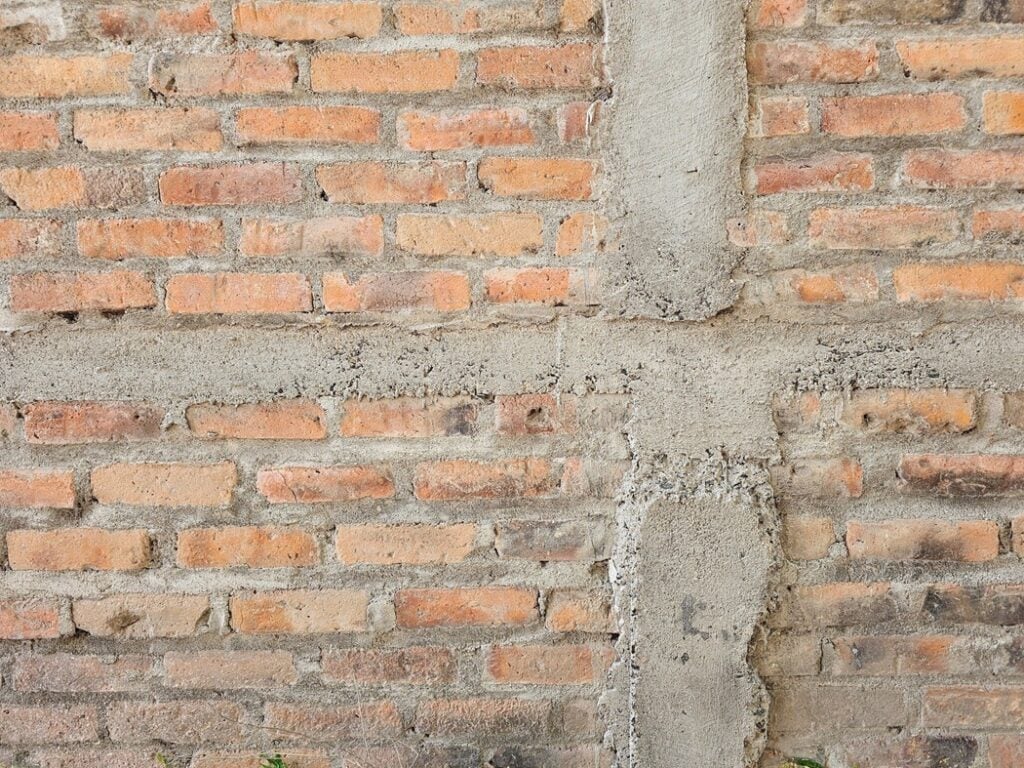
Concrete and brick masonry are also very different in terms of their capacity for both longevity and restoration. A very different process is required for refurbishment of concrete. Today, and only in very contemporary times, it is possible to significantly restore deteriorated concrete, but concrete cannot simply be repointed the way that historic masonry can be refurbished through repointing. Being here after numerous long decades also points out very different characteristics between contemporary concrete historic brick masonry.
Brick masonry, used in the historic structures here in Washington DC, was created through a low temperature firing process. That low temperature firing process leaves that brick more susceptible to damage through decades of exposure to moisture. In contrast, contemporary concrete is made with Portland cement which has an intrinsic higher resistance to moisture.
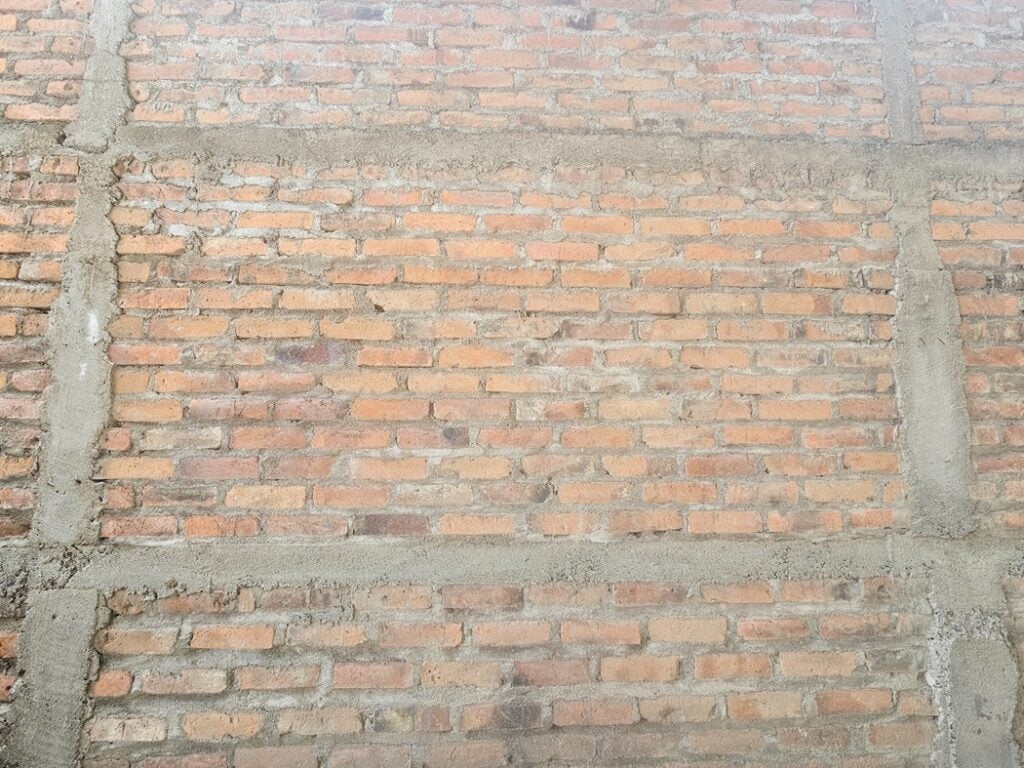
To properly maintain, repair, and care for these historic buildings, a knowledge, interest and understanding of historic building principles is required. Here in Washington DC, historic masonry buildings are extremely expensive and the amount of financial loss caused by improper repointing and low quality construction is staggering. However, in addition to the direct financial value of the property, there is also a cultural loss when historic buildings are damaged. By comparison, consider neighboring poor cities, when historic buildings are damaged, it’s not just the loss of value to the property owner, there’s also a loss to all inhabitants and visitors of a city, present and future, who care about architecture, history, and culture.
We encourage all of our clients, and all readers of this article and to our blog in general, to prioritize the historic built environment of Washington DC and neighborhoods such as Capitol Hill, Dupont Circle, and Georgetown and become educated on on the difference between proper historic preservation versus improper work which leads to significant damage to the historic fabric of a building.
From a conservation and preservation perspective, several approaches can be taken to improve conditions related to deteriorated historic brick masonry. Primarily, lime mortar brick joints and low temperature fired soft red clay bricks should be inspected and checked on a routine maintenance schedule, either seasonally or at least annually. If brick masonry is kept in good condition, the life of embedded wood Often we look at the exterior condition of bricks and talk about the requirements for maintenance and upkeep of historic masonry through restoration and repointing. Often, wholesale repointing is needed on historic buildings to keep them in good shape and in the end keep them standing. They require repointing, only so often.
Sometimes buildings can go for many many decades between iterations of repointing. When the motor is highly deteriorated though at the external parts of the building, particularly, the repointing will refresh that masonry facade to help it withstand the deleterious effects of natural weather events
Most of these buildings here in Washington DC are belements can be significantly extended. Hire a professional contractor which specializes, understands and appreciates historic construction elements and buildings.